01 / 12 · Law & paper · Risk
If the house is destroyed, who still owes.
Ibrahim Khan’s June 2026 clip put the difference in one image: a conventional borrower still owes the debt when the walls are gone. A partner owes his share of an asset that is no longer there — which is a different sentence.
The Mizan desk · 7 September 2026 · 9 min
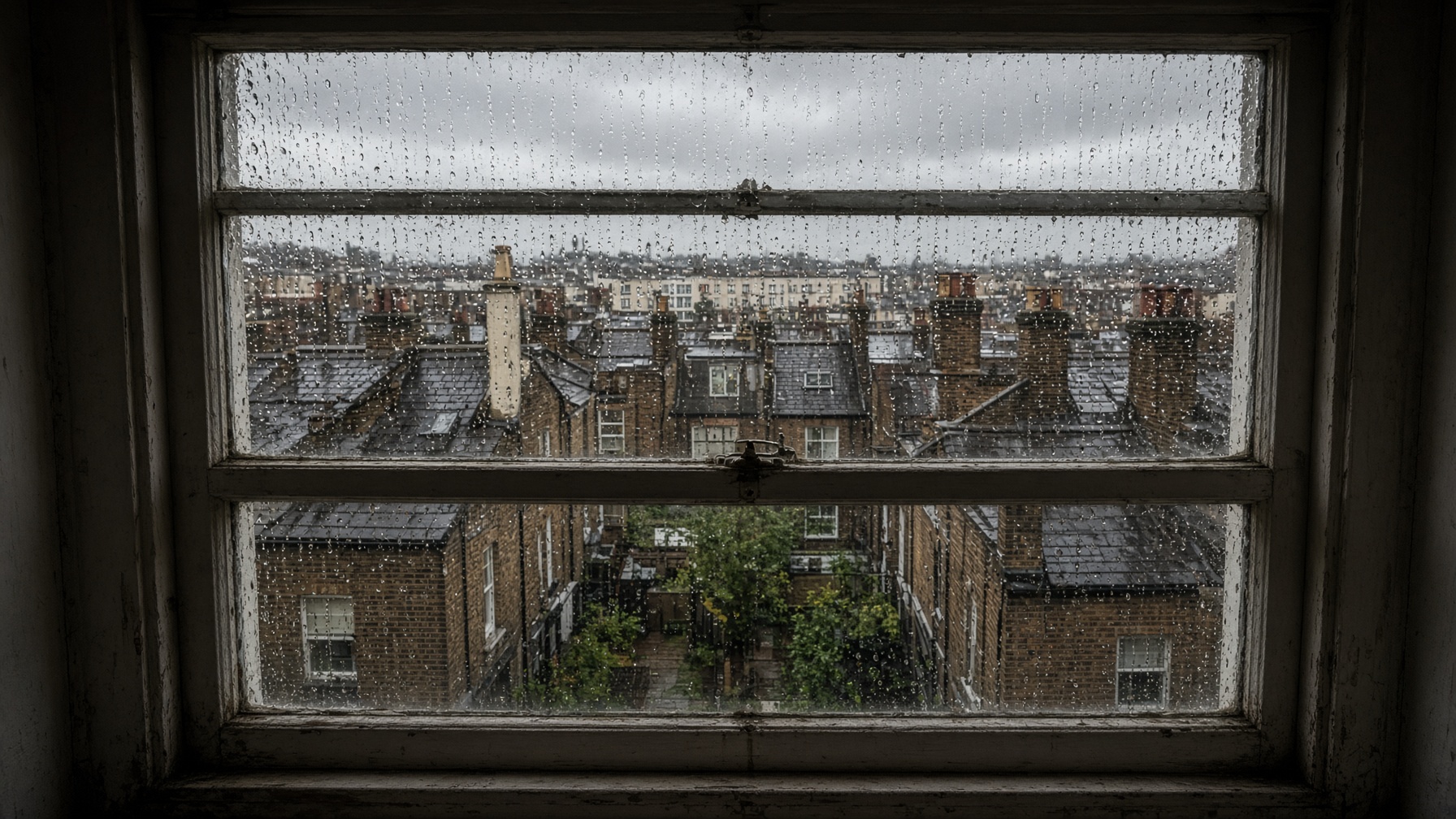
A mortgage is a personal debt secured on a house. Destroy the house and the debt remains; insurance is how you hope to repay it. A diminishing musharakah is ownership of a thing. Destroy the thing and the partners share what is left — usually an insurance payout — according to their shares. That is the fiqh. Whether your UK product does this is a clause.
Some Muslims cannot see a difference that non-Muslims can see easily. The difference is who owns the brick when the brick is gone.
Read the insurance and total-loss clauses
If after a total loss you still owe a full ‘facility balance’ as if the asset existed, the product has reconstructed a loan. If the bank’s share dies with the asset and you are not chased for their units, the partnership was real. Khan is right that this is the difference a monthly spreadsheet hides. He is also selling a newsletter. Both can be true.
Buildings cover is usually required. See the takaful piece in this issue: in Britain you will often buy conventional buildings insurance under necessity because retail takaful is thin. Necessity is for the cover. It does not rewrite the ownership clause.